


Beans
Organic beans are grown on certified organic lands without the use of agrochemicals. This is the most common plant of the legume family. Vegetarians value beans for the high content of vegetable protein and fibre. Beans contain the most important vitamins B1, B2, B6, E, PP, zinc, copper, potassium, iodine, iron, sulphur, magnesium, as well as amino acids, such as lysine, arginine, methionine, and tyrosine. Thanks to this content, beans affect healthily immune and nervous systems, regulate metabolism, help to remove stones from gall bladder and kidney, remove liver inflammatory processes, improves gastric activity.
3 Facts About Beans:
-
Beans contain no gluten (fibre), and therefore can be consumed by those who follow a gluten-free diet and are allergic to gluten. And bean protein is easily absorbed by 70-80%, so beans are perfect substitutes for meat during the fasting or in the vegetarian diet.
-
Beans contain lots of antioxidants and vitamin B6 that provide perfect skin health.
- Such spices as asafoetida, ginger, black pepper, turmeric and coriander significantly improve bean food digestion.
| Nutrition value | |
|---|---|
| Calories | 292 kcal |
| Proteins | 21 g |
| Fats | 2 g |
| Carbohydrates | 59,2 g |
| Dietary fibres | 23 g |
| Water | 14 g |
| Mono- and disaccharides | 3,2 g |
| Starch | 33 g |
| Ash | 3,8 g |
| Saturated fatty acids | 0,3 g |
| Vitamins | |
| Vitamin PP | 2,1 mg |
| Vitamin B1 (thiamine) | 0,5 mg |
| Vitamin B2 (riboflavin) | 0,18 mg |
| Vitamin B5 (pantothenic acid) | 1,2 mg |
| Vitamin B6 (pyridoxin) | 0,9 mg |
| Vitamin B9 (folic acid) | 90 mcg |
| Vitamin E (tocopherol) | 0,6 mg |
| Vitamin PP (B3, niacin equivalent) | 6,4 mg |
| Macroelements | |
| Calcium | 150 mg |
| Magnesium | 103 mg |
| Sodium | 40 mg |
| Potassium | 1100 mg |
| Phosphorus | 480 mg |
| Chlorine | 58 mg |
| Sulphur | 159 mg |
| Microelements | |
| Iron | 5,9 mg |
| Zinc | 3,21 mg |
| Iodine | 12,1 mcg |
| Copper | 580 mcg |
| Manganese | 1,34 mg |
| Selenium | 24,9 mcg |
| Chromium | 10 mcg |
| Fluorine | 44 mcg |
| Molybdenum | 39,4 mcg |
| Boron | 490 mcg |
| Vanadium | 190 mcg |
| Silicon | 92 mg |
| Cobalt | 18,7 mcg |
| Aluminium | 640 mcg |
| Nickel | 173,2 mcg |
| Titanium | 150 mcg |
| Information on product weight: | |
| Glass 250 ml = 210 g (646.8 kcal) | |
| Glass 200 ml = 170 g (523.6 kcal) | |
| Tablespoonful (heaped spoon, except liquid products) = 25 g (77 kcal) | |
| Teaspoonful (heaped spoon except liquid products) = 8 g (24.6 kcal) | |
Chemical composition of a product is characterized by calories, proteins, fats, carbohydrates, dietary fibres and vitamins. For organic products, these parameters significantly depend on natural factors – air temperature and precipitation during vegetational season, dry or rainy season, geographic latitude and longitude of cultivation, botanical grain varieties, and soil type. It is impossible to foresee all the factors, so these values are average and indicative only.
Preparing Beans for Cooking.
The legume seeds contain the enzyme inhibitors that keep the seeds in “dormant” state and prohibit them from growing until they get enough moisture. These inhibitors may have a negative effect on digestion, blocking our digestive and metabolic enzymes. Besides, legumes contain phytic acid, which, combined with the inhibitors, protects grains from being eaten by animals, making them dry and indigestible. In the intestine, phytic acid can interfere with the digestion of calcium, iron, magnesium and zinc.
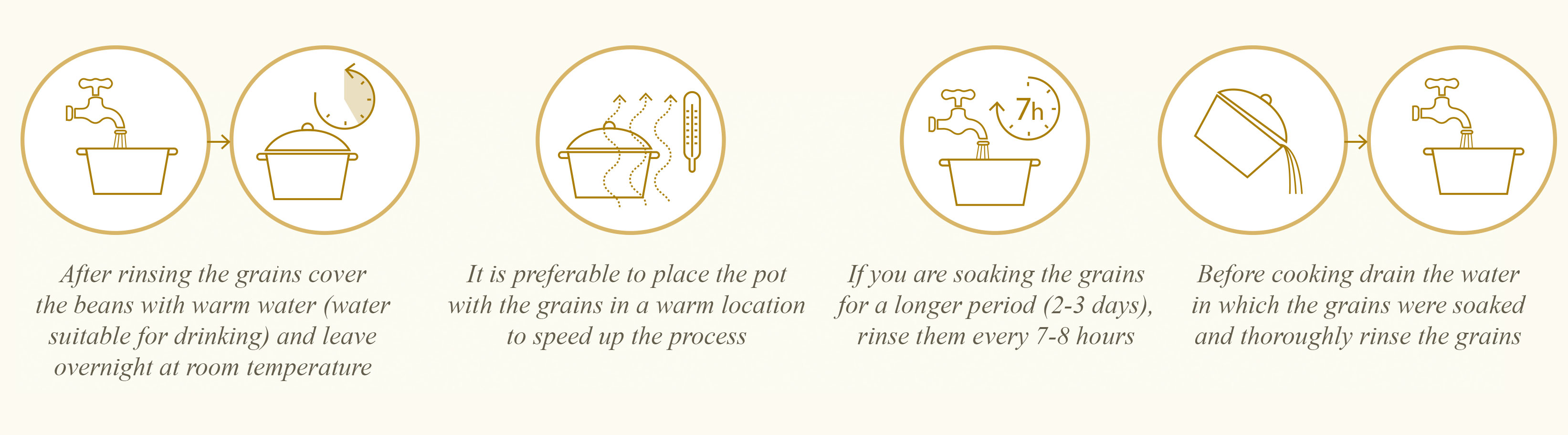
If just to boil dry grains, the inhibitors and phytic acid will not be neutralized and will exert their negative effects. For this reason beans should be pre-soaked to be properly digested with no discomfort and heaviness in the stomach. Soaked beans neutralize enzyme inhibitors and form beneficial enzymes that enhance the grain digestion. While being soaked, enzymes and lactobacillus split and neutralize phytic acid as well. In fact, by soaking beans in a saucepan before their cooking, we simulate the grains getting in moist soil – grains awaken and their nutrients become more active. It takes minimum 7 hours to destruct most of the phytic acid and to neutralize inhibitors in cereals and legumes. Overnight soaked beans will be better digested as well as quickly cooked the next day.
Healthy Recipes with Beans
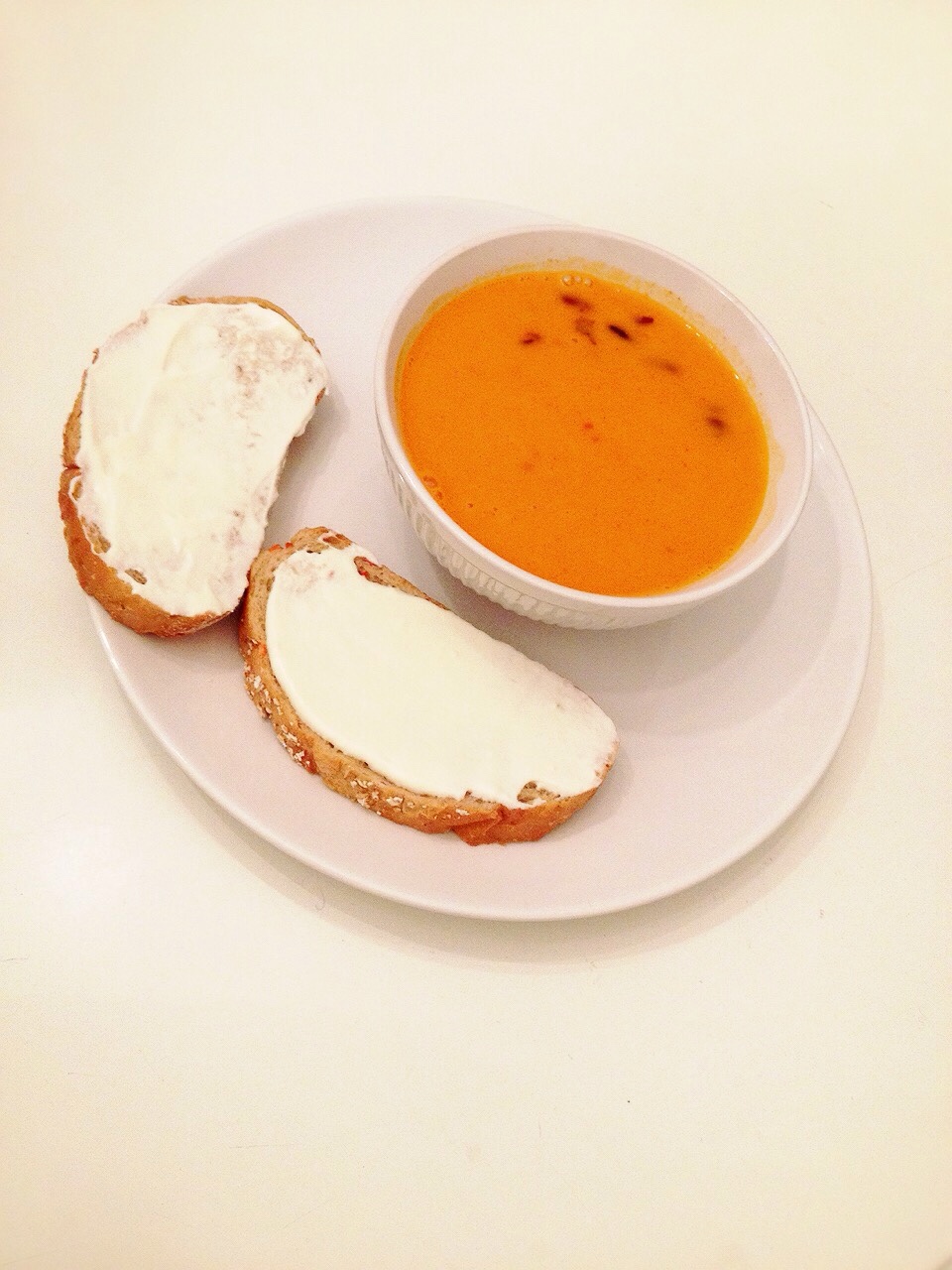
Bean and Tomato Cold Cream Soup
Directions: Cut onion, garlic and celery. Fry the vegetables in vegetable oil, add sage and pepper. Then add beans to the vegetables. Scald tomatoes, peel and chop them finely, and add to the vegetables. Cover the vegetables with broth and boil for 5-7 minutes. Then remove the soup from the fire and puree it with a blender. Serve the soup cool.
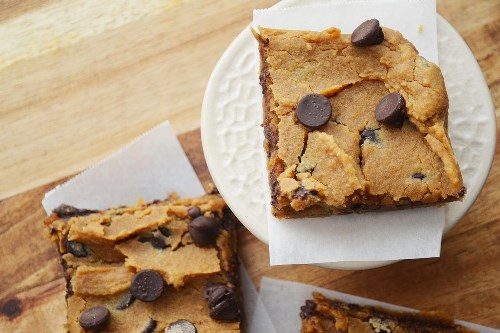
Bean Blondies
Directions: Preheat the oven to 150C. Puree beans, banana and agave syrup with a blender. Add corn flour, peanut butter and mix them thoroughly. Make a light stiff dough. Cover a glass cake pan with baking paper and oil it with coconut oil. Place the dough in the cake pan and garnish it with chocolate chips. Put in the oven for 35 minutes. Blondies should be dry, but soft inside.